Pairing Food and Desserts with SOE Single Origin Espresso
Wiki Article
Recognizing Coffee Beans: the Trip From Espresso to Blended Coffee Beans

The Origins of Coffee: A Worldwide Perspective
While you may assume of coffee as a contemporary staple, its origins map back centuries, intertwining with cultures around the world. The story begins in Ethiopia, where tale says a goat herdsman called Kaldi found the invigorating results of coffee beans after observing his goats frolicking energetically after consuming them. This sparked passion, leading to coffee's infect Arab traders who valued the brewed beverage. By the 15th century, it got to Persia, Egypt, and Turkey, where coffee shops became social centers for discussion and culture.As trade paths increased, coffee made its method to Europe in the 17th century, rapidly gaining popularity. It changed from a magical beverage right into a daily routine, intellectual exchanges and motivating celebrations. Each society added its distinct twist to coffee prep work, improving its background. This global journey highlights how coffee connects us, going beyond boundaries and joining varied practices via a straightforward bean.
Farming and Harvesting of Espresso Beans
As coffee's trip progressed, the emphasis moved to the growing and harvesting of specific bean ranges, specifically those made use of for coffee. You'll find that espresso beans typically originate from Arabica or Robusta plants, each offering distinct tastes. The perfect growing conditions include high elevations and abundant, well-drained dirt, which improve the beans' quality.Throughout the harvest, choosing methods differ. Timing is important; you want to harvest when the cherries get to peak perfection for maximum taste.
When collected, the beans are planned for processing, which is vital in determining their last taste. Understanding the farming and gathering processes provides you insight into what goes into your preferred espresso, enriching your admiration for each and every mug.
Handling Methods: From Cherry to Bean
Since you've discovered about gathering coffee beans, allow's discover exactly how those cherries transform into the coffee beans you enjoy. You'll see exactly how different harvesting strategies impact taste, complied with by the necessary steps of fermentation and drying out. Ultimately, we'll damage down the milling and grading process that determines your coffee's quality.Gathering Strategies Described
When it comes to coffee, comprehending harvesting strategies is vital, since they directly affect the taste and high quality of the beans you enjoy. There are two main approaches: discerning picking and strip picking. Discerning selecting involves hand-picking only ripe cherries, ensuring you get the most effective quality beans. This technique usually leads to a richer taste account, though it's even more labor-intensive. On the various other hand, strip picking means gathering all cherries at as soon as, no matter of perfection. While it's quicker and less costly, this can result in a mix of flavors, impacting the final product. Eventually, the option of gathering technique can considerably affect your coffee experience, so it deserves recognizing just how those beans made it to your cup.Fermentation and Drying
After harvesting, the following actions in processing coffee beans play a significant duty fit their flavor. You'll locate that fermentation is essential, as it assists damage down the mucilage bordering the beans, boosting their taste profile. Depending on the approach, this procedure can last from a couple of hours to numerous days, with differing outcomes based upon temperature and humidity.As soon as fermentation is full, drying follows, which is equally vital. You can select from sun-drying or mechanical drying out techniques. Sun-drying enables the beans to absorb tastes from the atmosphere, while mechanical drying out assurances consistent wetness levels no matter of weather condition. Correct drying is vital to prevent mold and maintain the beans' quality, ultimately affecting your cup of coffee.
Milling and Grading Process
As fermentation and drying out set the stage for taste development, the milling and grading process warranties that only the most effective coffee beans make it to your cup. This phase entails removing the outer layers of the coffee cherry, consisting of the parchment and husk. After milling, the beans are arranged by size and weight, ensuring a consistent top quality. You'll discover that grading helps identify problems and categorize beans, which impacts flavor and scent. Premium beans obtain a greater quality, leading to a richer coffee experience. Once rated, the beans await product packaging and shipping, preserving their distinct characteristics. This meticulous process is vital for delivering the phenomenal preference you enjoy in every sip of your favored mixture.Roasting Methods: Unlocking Flavor Potential
When you roast coffee beans, the technique you select can substantially influence the taste account. Comprehending the partnership in between time, temperature, and toasting strategies is crucial to revealing the possibility of your brew. Let's explore just how these aspects integrated to create the perfect cup.Toasting Techniques Described
While you might believe that all coffee roasting approaches yield the very same outcomes, the truth is that each technique reveals unique taste possibilities in the beans. Drum toasting uses a rotating drum to evenly distribute heat, enhancing caramelization and generating a well balanced flavor. Air roasting, on the various other hand, distributes hot air around the beans, advertising a lighter roast with pronounced level of acidity.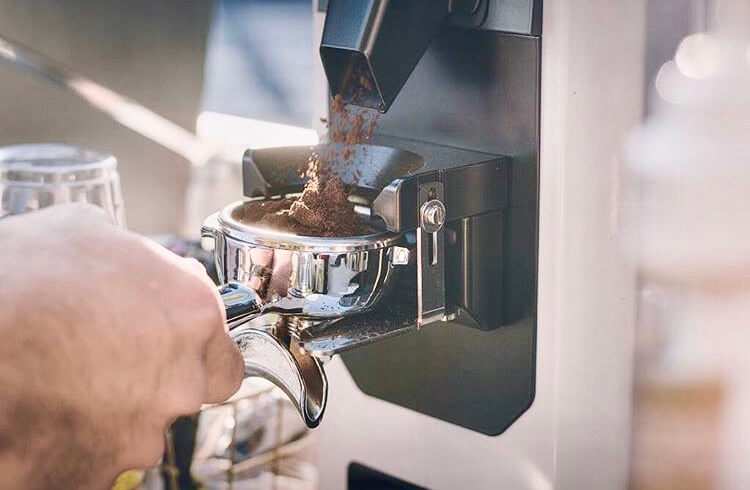
Influence On Flavor Profile
Different roasting techniques not just influence the process but also substantially influence the flavor account of the coffee beans. Dark roasts, on the various other hand, bring out bold, great smoky tastes, occasionally covering up the bean's unique features. Recognizing these nuances assists you value the creativity behind your mug of coffee, enhancing your general experience with every sip.Time and Temperature Level Aspects
To launch the full flavor potential of coffee beans, both time and temperature level throughout the roasting procedure play substantial duties. When roasting, you'll discover that higher temperatures can quickly establish flavors, yet if you rush it, you might wind up with burnt notes. Conversely, reduced temperature levels permit for an extra gradual flavor growth, showcasing the beans' unique features.
Timing is equally as vital; prolonging the roast too long can result in a loss of acidity and brightness, while too short a roast may leave the beans underdeveloped. Locating that sweet area requires technique and experimentation. By readjusting these aspects, you can reveal the abundant, complex tastes hidden within each bean, producing a truly exceptional coffee experience.
The Art of Mixing: Crafting Distinct Coffee Profiles

Beginning by selecting a base coffee that supplies a strong structure. Then, choose complementary beans to boost particular flavor notes. For example, a bright Ethiopian bean can bring fruitiness, while a rich Brazilian coffee adds body. Testing is vital-- do not hesitate to change proportions up until you discover your excellent account.
As you mix, maintain in mind that each mix informs a tale. You're not just making coffee; you're producing an experience. Take your time, preference regularly, and enjoy the trip of uncovering your trademark blend - Single Origin Espresso.
Developing Approaches: Just How Preparation Impacts Flavor
Mixing coffee opens a domain name of flavor opportunities, yet exactly how you brew that blend can substantially influence your final mug. Various brewing methods remove one-of-a-kind flavors and aromas, so it's critical to pick carefully. For example, a French press allows oils and sediments to remain, creating a rich, robust experience. On the other hand, a pour-over highlights the coffee's clearness and brightness, perfect for showcasing fragile notes.Coffee, with its high pressure, produces a focused shot that highlights sweetness and crema. If you favor a lighter brew, think about a cool brew method; it yields a smooth, much less acidic preference.
Changing variables like water temperature, grind size, and brew time can transform your coffee's profile. Welcome the art of developing to find the flavors hidden in your coffee blends.
The Future of Coffee: Sustainability and Development
As the coffee market advances, sustainability and development are becoming essential for addressing ecological obstacles and conference customer needs. You'll observe that more coffee companies are adopting eco-friendly methods, from sourcing beans ethically to executing sustainable farming techniques. These shifts not just help the planet yet also enhance the high quality of the coffee you delight in.You may see advancements like biodegradable packaging and water-saving brewing techniques that reduce waste. Advanced innovation, such as blockchain, is likewise becoming popular, making certain transparency in the supply chain, which permits you to trace your coffee back to its beginnings.
In addition, spending in neighborhood communities and sustaining farmers with reasonable trade efforts cultivates an extra sustainable coffee ecosystem. As you sip your next cup, keep in mind that your choices can add to a brighter future for coffee. By selecting lasting brands, you're not just delighting in a drink; you're making a positive effect on the globe.
Frequently Asked Questions
What Is the Distinction In Between Arabica and Robusta Beans?
Arabica beans are smoother, sweeter, and have a higher acidity, while robusta beans are more powerful, extra bitter, and include even more high levels of caffeine. When making your coffee., you'll notice these differences in flavor and aroma.Just How Does Elevation Affect Coffee Bean Flavor?
Elevation impacts coffee bean taste significantly. Greater altitudes generate beans with brighter acidity and complicated tastes, while lower altitudes typically generate beans that are much heavier and much less nuanced. You'll notice these differences in your mug!What Are the Health And Wellness Benefits of Drinking Coffee?
Consuming alcohol coffee can improve your energy, enhance psychological emphasis, and even boost physical efficiency. It's abundant in antioxidants, may reduce the threat of certain SOE conditions, and can promote a healthier metabolism when eaten in small amounts.Can Coffee Beans Be Recycled for Developing?
Yes, you can reuse coffee beans for brewing, yet the taste might be weaker. If you enjoy experimenting, attempt reusing them in different methods, like cold mixtures or including to smoothies for an added kick.Just how Should I Store Coffee Beans for Quality?
To maintain your coffee beans fresh, store them in a closed container in a great, dark location. Stay clear of revealing them to warmth, wetness, or light, as these aspects can promptly degrade their taste and scent.Comprehending Coffee Beans: the Journey From Coffee to Blended Coffee Beans.
Now that you've learned regarding harvesting espresso beans, allow's discover how those cherries change right into the coffee beans you enjoy.When you roast coffee beans, the approach you select can dramatically impact the taste account - Single Origin Espresso.While you might assume that all coffee roasting techniques yield the same outcomes, the reality is that each strategy exposes special taste possibilities in the beans.Various toasting techniques not only affect the process but additionally greatly affect the flavor profile of the coffee beans
Report this wiki page